Updated November 2026
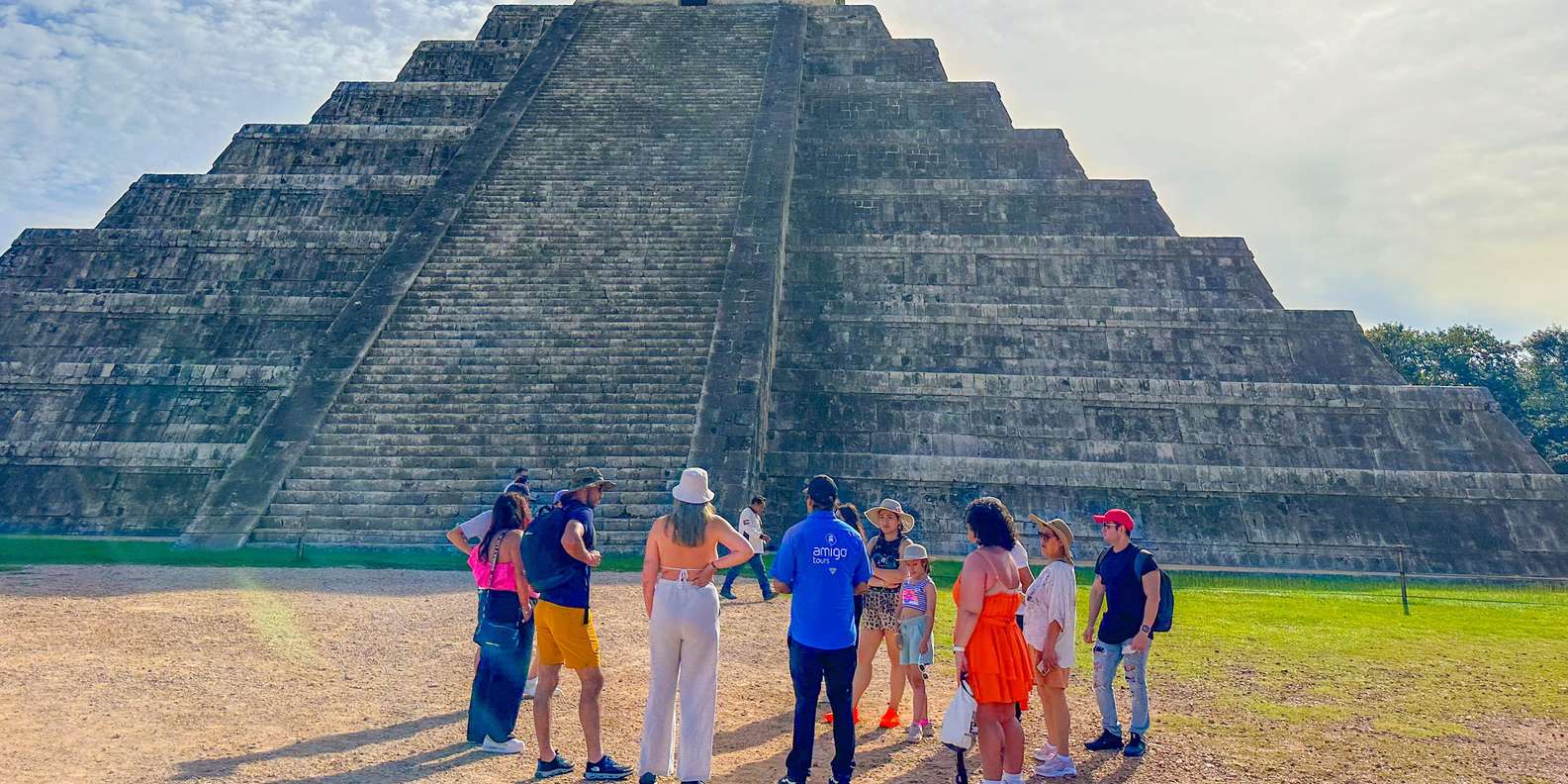
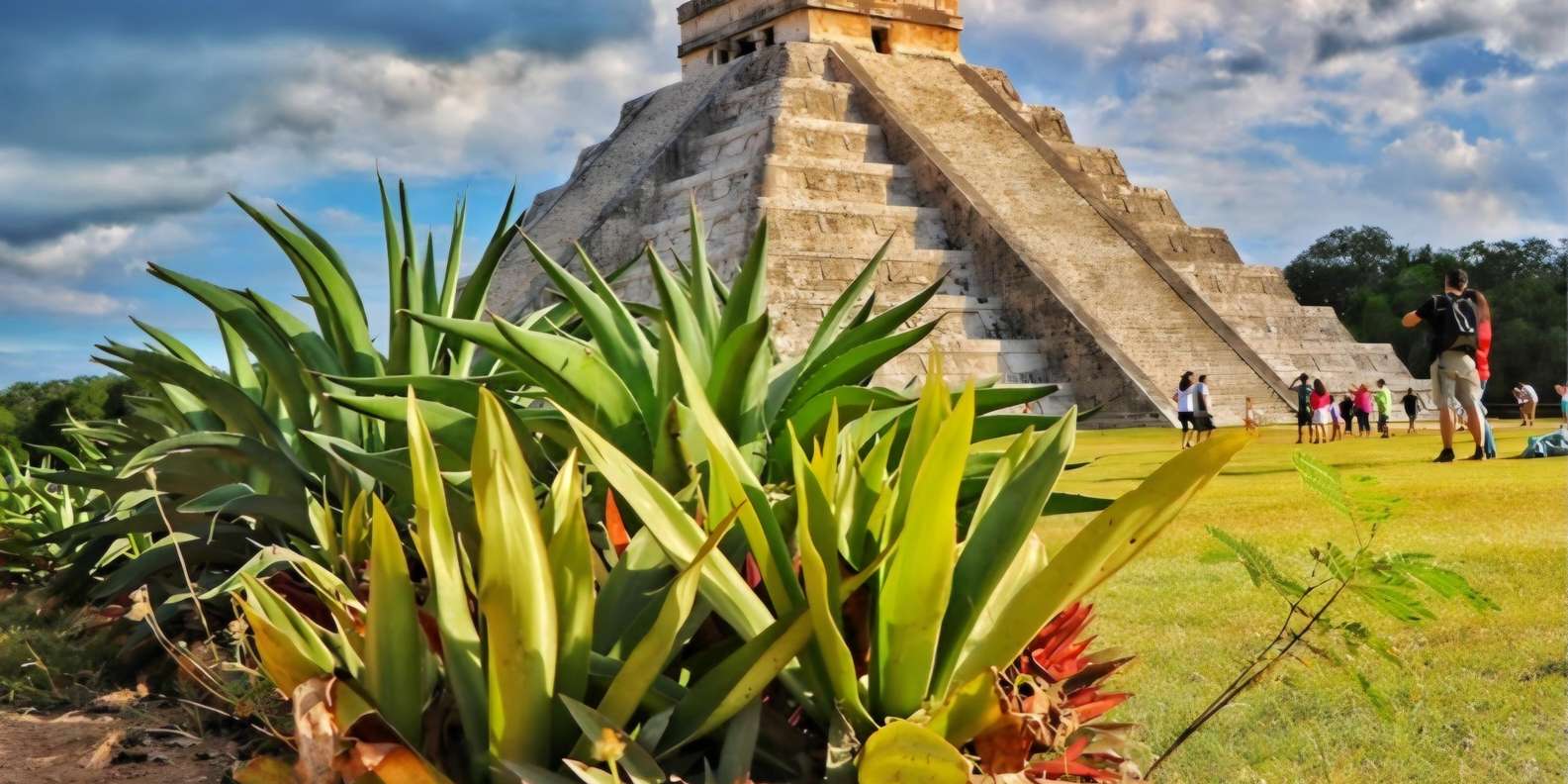
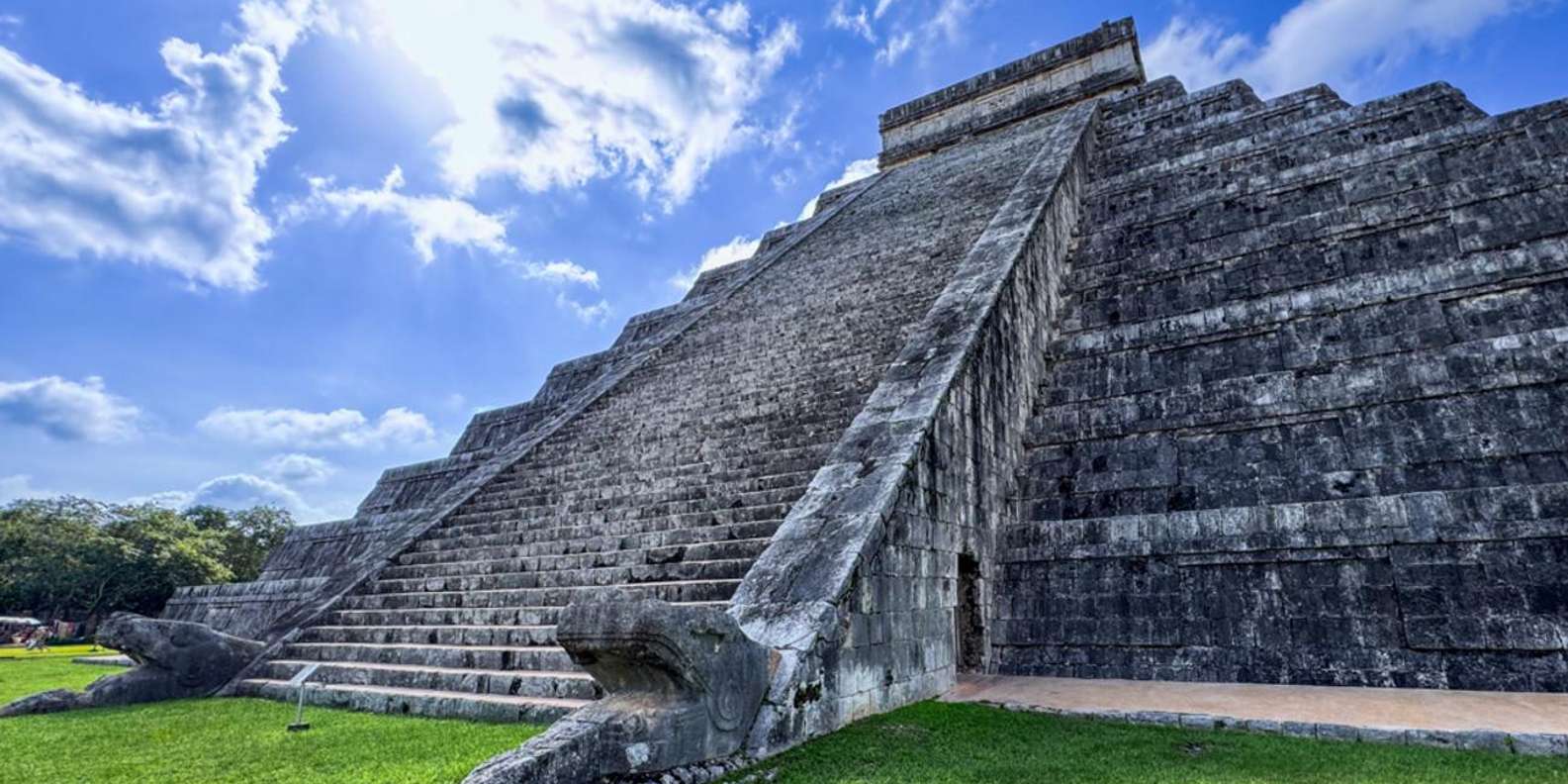
Twice a year, on the afternoons around the spring and autumn equinox, the setting sun casts a row of triangles of light and shadow along the northern stairway of El Castillo. Together with the stone serpent heads at the foot of the stairway, they look like a feathered serpent — Kukulcán — sliding down the pyramid.
When can you see it?
- Spring equinox: around 20–21 March.
- Autumn equinox: around 22–23 September.
The effect is visible in the late afternoon, roughly in the last two hours before the site closes, and it can also be seen for a few days before and after the equinox itself. Clouds can spoil it, especially in September, which falls in the rainy season.
How crowded is it?
Very. The spring equinox is the busiest time of the year at Chichen Itza, with tens of thousands of visitors, many dressed in white for the occasion. Expect long queues at the entrance and in the car park.
Tips for the equinox
- Visit a day or two before or after the equinox for a similar effect with fewer people.
- Bring water, a hat and patience — you will wait in the sun.
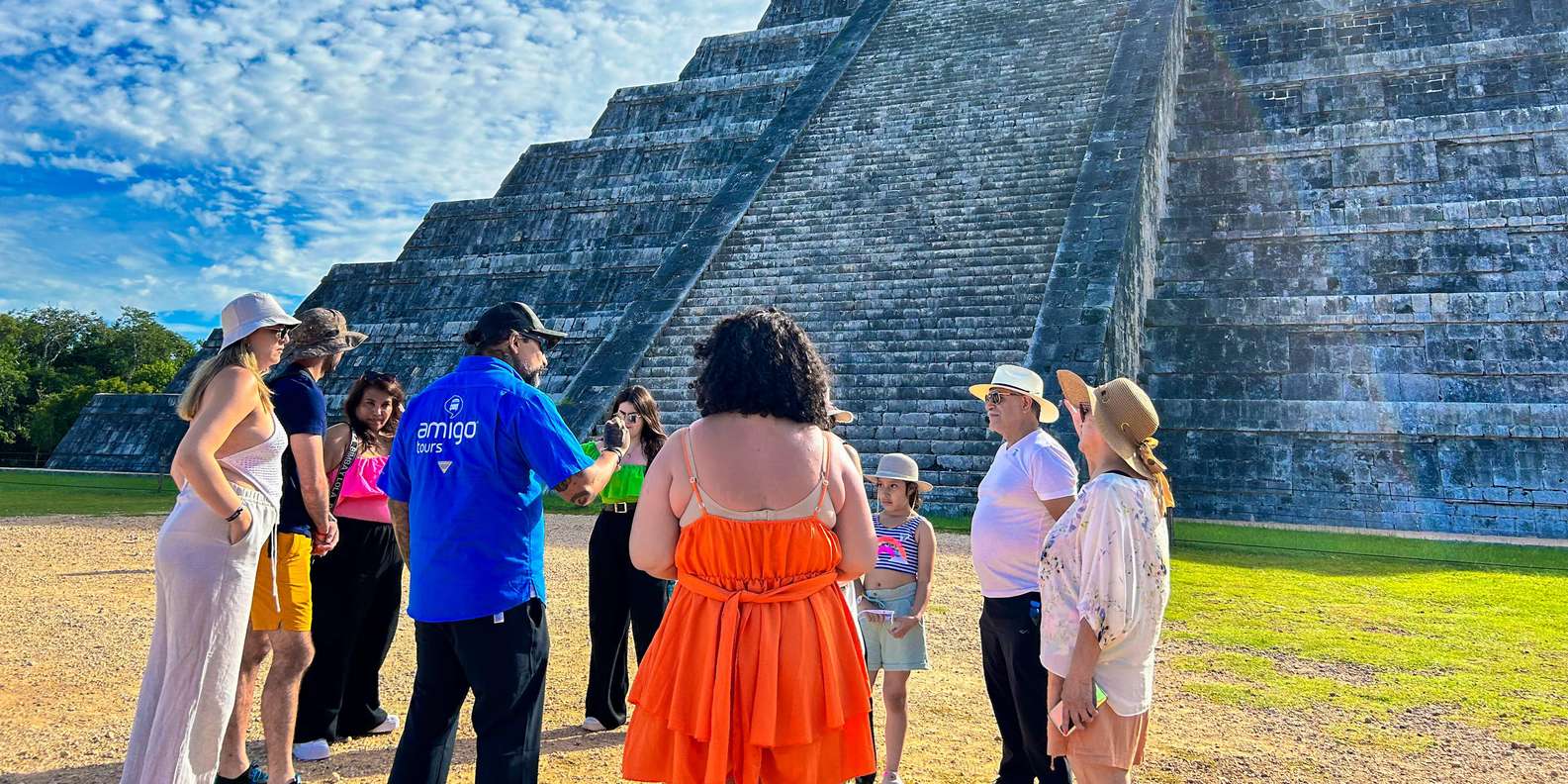
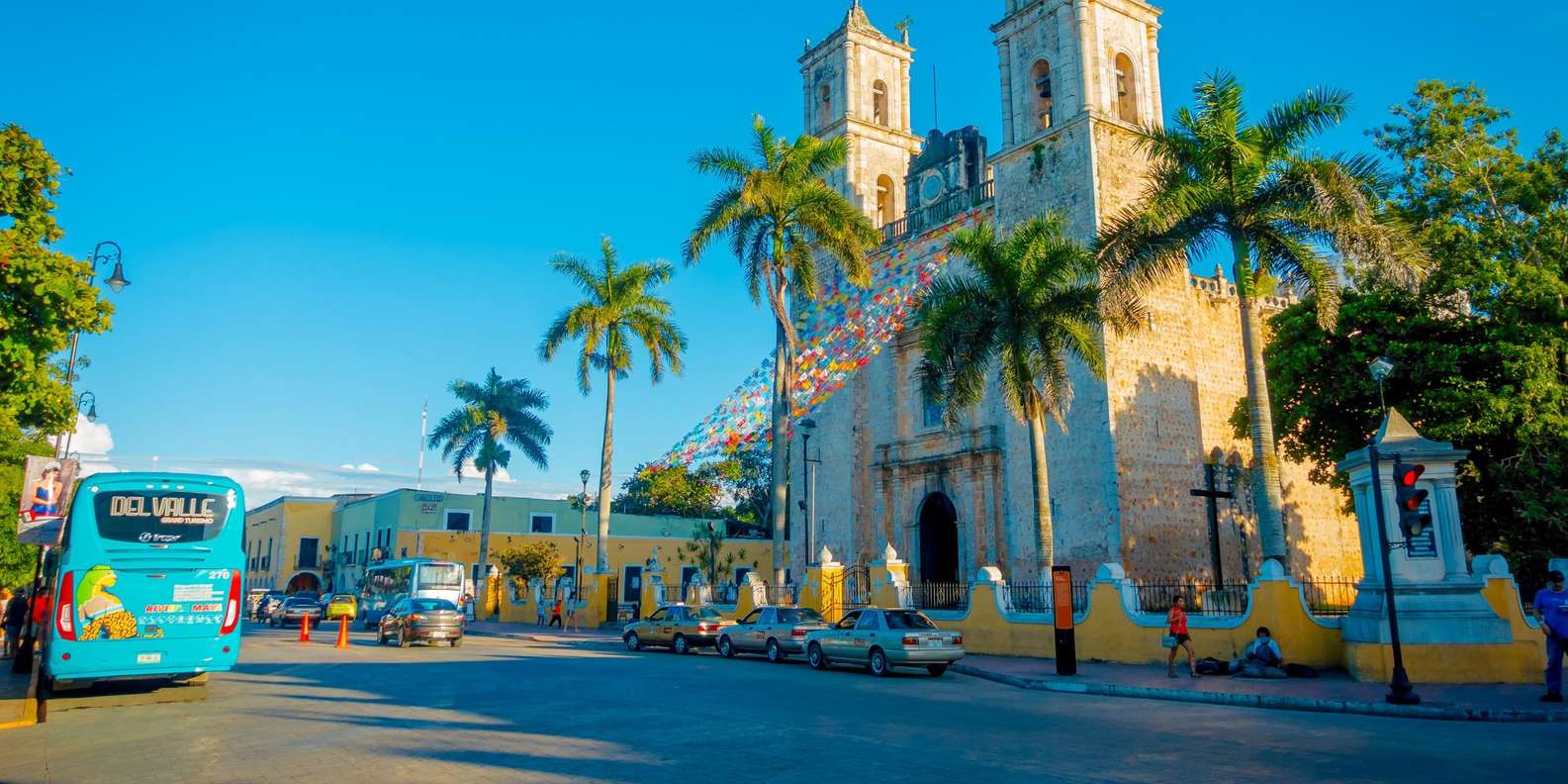
- Most day tours from Cancun are at the site at midday and leave before the shadow appears; if seeing the serpent is your goal, drive yourself and stay in Valladolid or Pisté.
The design behind it
El Castillo is a calendar in stone: four stairways of 91 steps plus the top platform make 365, and the pyramid has nine terraces on each side, divided by the stairways into 18 sections — the number of months in the Maya solar year. Whether the serpent shadow was planned by its builders is still debated, but the alignment is remarkable.